
984-9285260 | Dhumbarahi, Kathmandu, Nepal, 4600
984-9285260 | Dhumbarahi, Kathmandu, Nepal, 4600

Medisales International PVT.LTD.
Best Radiology Solution all over Nepal
Detailed maintenance
Find the fault on a Tuesday morning, not during a patient list
Preventive maintenance is the cheapest work we do. A scheduled visit catches the worn part, the drifting calibration and the blocked filter while they are still small, and while the department can spare the room.
Contract basics
- Visit frequency
- Quarterly or half yearly
- Contract term
- Annual, renewable
- Report
- Written, after every visit
- Emergency calls
- Prioritised for contract holders
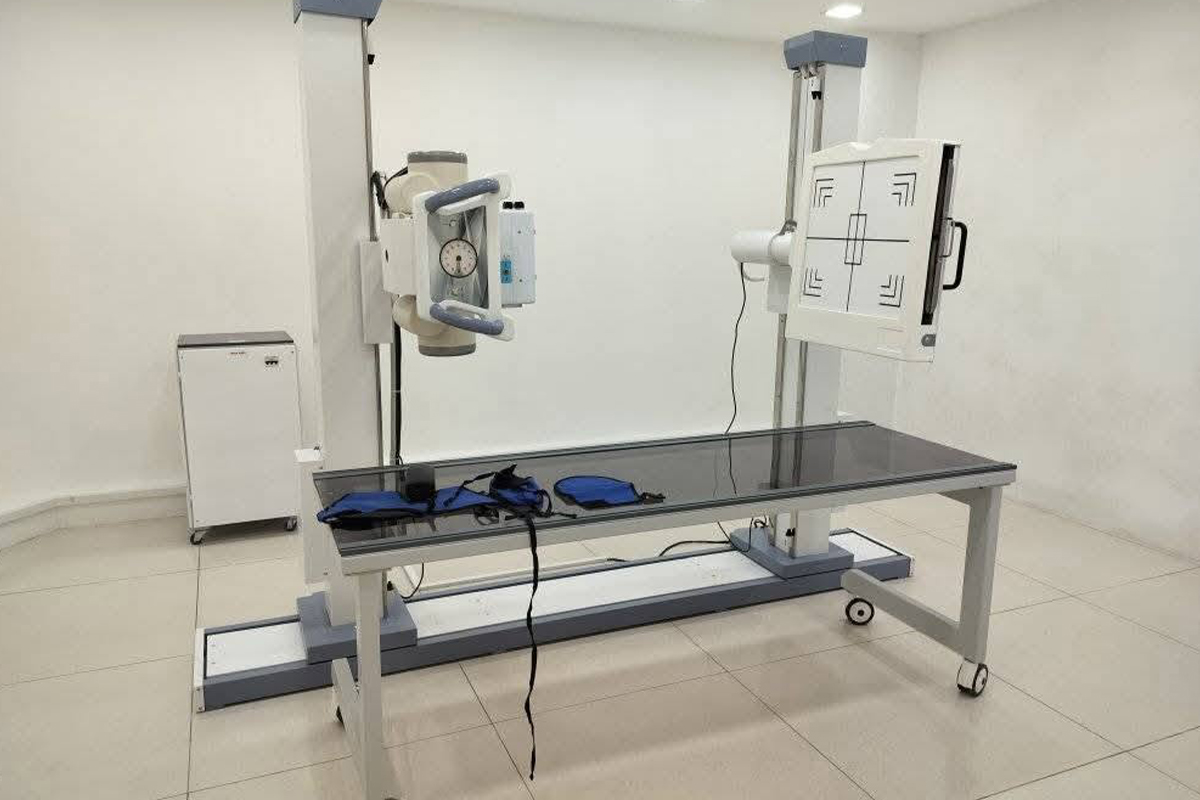
Preventive maintenance
The cheapest engineer visit is the one you scheduled
A worn part found on a Tuesday morning costs a service call. The same part found mid-list costs a cancelled clinic, an emergency callout and a department that stops trusting the equipment.
0Visits per year, typical
0Report turnaround
0Provinces covered
How a contract works
Set it up once, then it runs on a calendar
You should not have to remember to book servicing. That is our job, and a missed visit is our failure, not yours.
Equipment audit
We list every unit you want covered: make, model, age, current condition and how hard it is worked. A five year old analyser running two hundred samples a day needs a different schedule to one running twenty.
Schedule and quotation
You get a visit calendar and a price for the year, broken down per unit so you can see what you are paying for and drop anything you would rather handle in-house.
We book the visits with the department
Dates are agreed with the people who run the room, not imposed on them. Servicing at a time that empties a patient list helps nobody.
The visit itself
Inspection, cleaning, electrical safety checks, output and calibration verification, consumable review, and firmware or software checks where they apply.
Report and recommendations
What was checked, what the readings were, what was replaced, and what will need attention before the next visit. Written so a procurement officer can act on it without an engineering degree.
Parts planned in advance
When we can see a part approaching the end of its life, we tell you early enough to budget for it and early enough for us to have it in stock.
Visit plans
Three schedules, chosen by workload not by age
A five year old analyser running two hundred samples a day needs more attention than a new one running twenty. The equipment audit decides which plan fits.
Quarterly visits
For high throughput equipment: busy radiography rooms, hospital haematology benches, anything running daily lists that cannot slip.
- Four scheduled visits per year
- Priority emergency response
- Parts forecast at every visit
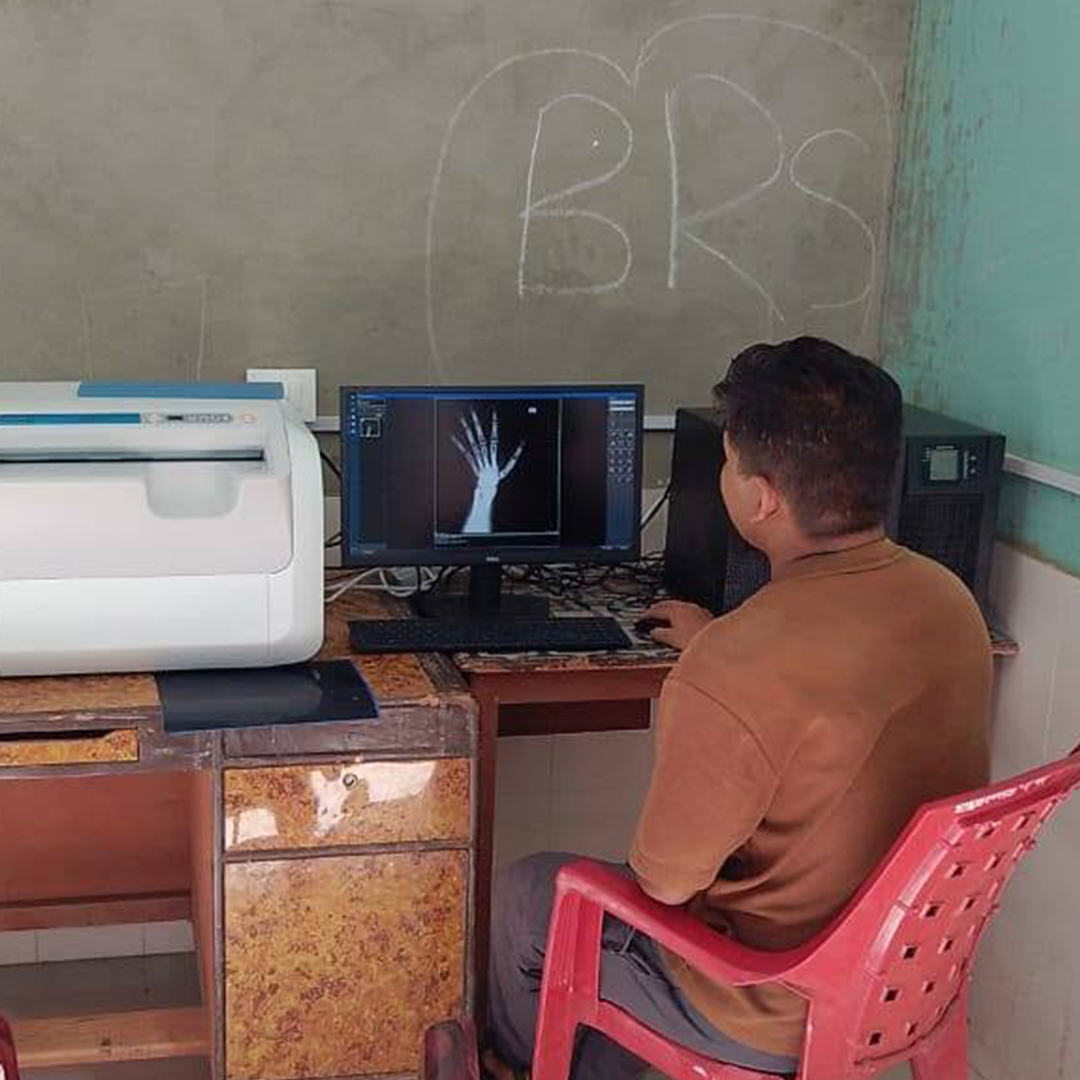
Half yearly visits
The common choice for diagnostic centres and mid-volume departments where equipment works steadily but not continuously.
- Two scheduled visits per year
- Full performance and safety checks
- Written report you can file for audit

Annual visit
For lightly used equipment and standby units. Enough to keep calibration honest and catch deterioration before it becomes a failure.
- One comprehensive visit per year
- Calibration verification and recalibration
- Condition report with replacement planning
Included in every visit
What the engineer actually does
The detail varies by equipment type. This is the shape of it, and the full checklist for your specific units comes with the contract.
- Visual and mechanical inspection of moving parts, cables and connectors
- Electrical safety checks including earthing continuity
- Output verification against the manufacturer's specification
- Calibration check, and recalibration where it has drifted
- Cleaning of filters, fans, optics and fluid paths as applicable
- Firmware and software version check
- Consumable and reagent stock review
- Refresher for operators on anything they are doing incorrectly
What is covered by the fee and what costs extra?
The visit, the labour and the checks are covered. Replacement parts and consumables are quoted separately unless your contract specifically includes them. We tell you which is which before you sign, and the quotation says so in writing.
Do you maintain equipment we bought elsewhere?
Yes, where we can obtain the service documentation and parts. Send us the make and model and we will tell you before you commit, rather than discovering it at the first visit.
How often should we schedule visits?
It depends on workload and equipment type more than on age. High throughput analysers and busy X-ray rooms usually justify quarterly. Lightly used equipment is often fine on a half yearly schedule. The audit tells us which.
What happens if you find a serious fault?
We tell you immediately, in person, before we leave the site. You get a written estimate for the repair and an honest assessment of whether the unit can safely keep running in the meantime.
Does a contract help with emergency calls?
Yes. Contract holders are prioritised when several sites call at once, and we already hold your equipment history, which usually shortens the diagnosis.
0Report turnaround
The report
You get it in writing, every single time
What was checked, what the readings were, what was replaced and what will need attention before the next visit.
Written so a procurement officer can act on it without an engineering degree, and formatted so it goes straight into your audit file.
- Readings recorded against manufacturer specification
- Parts replaced, with serial numbers
- Anything approaching end of life, flagged early
- Recommendations with rough costs
Send us your equipment list
Make, model and rough age is enough to start. We will come back with a schedule and an annual figure.
On site
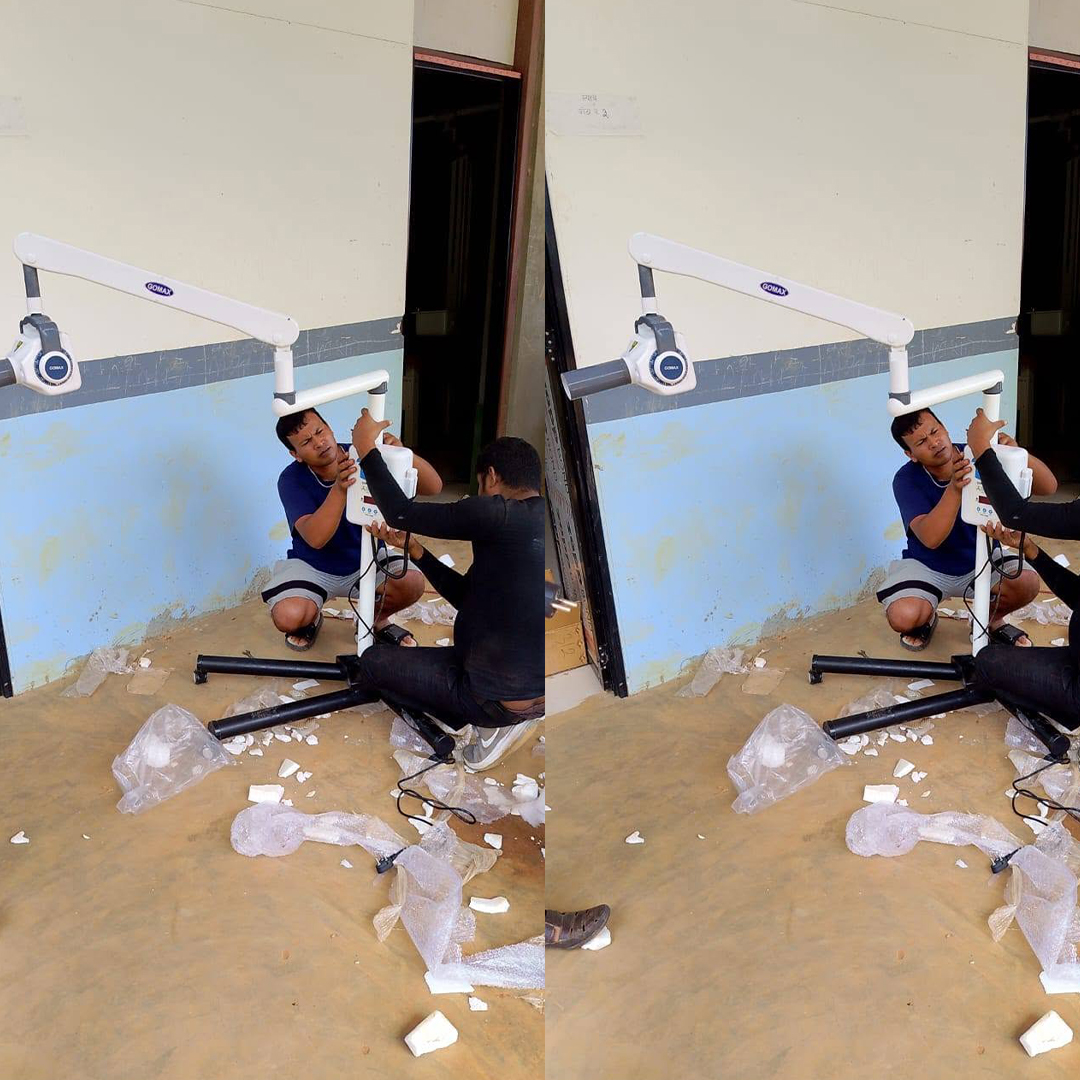
A week in the field
Installation, servicing and emergency callouts across the country. Replace these with your own photographs when you have them.